WHAT WE DO
community-based. participatory. decolonial.
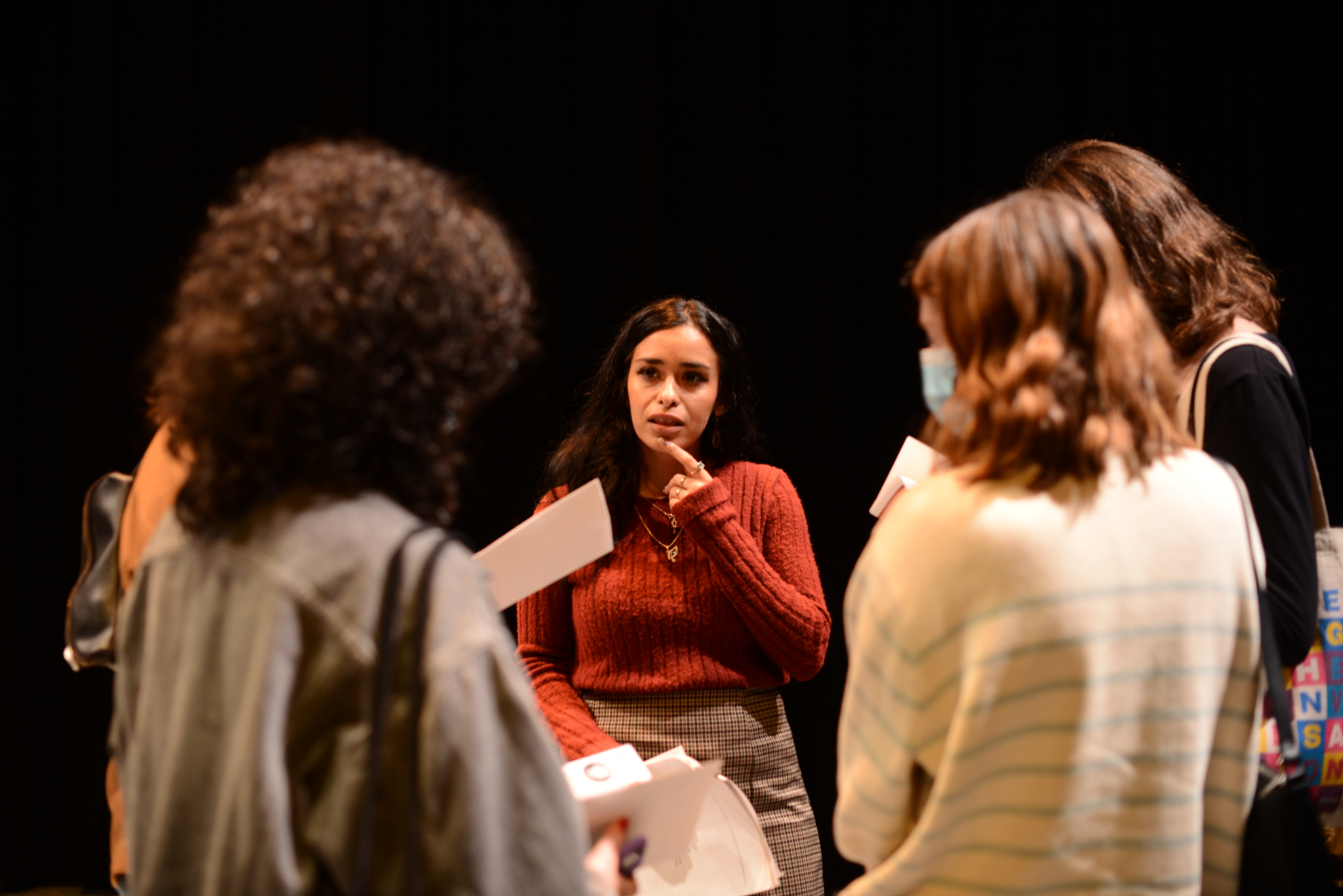
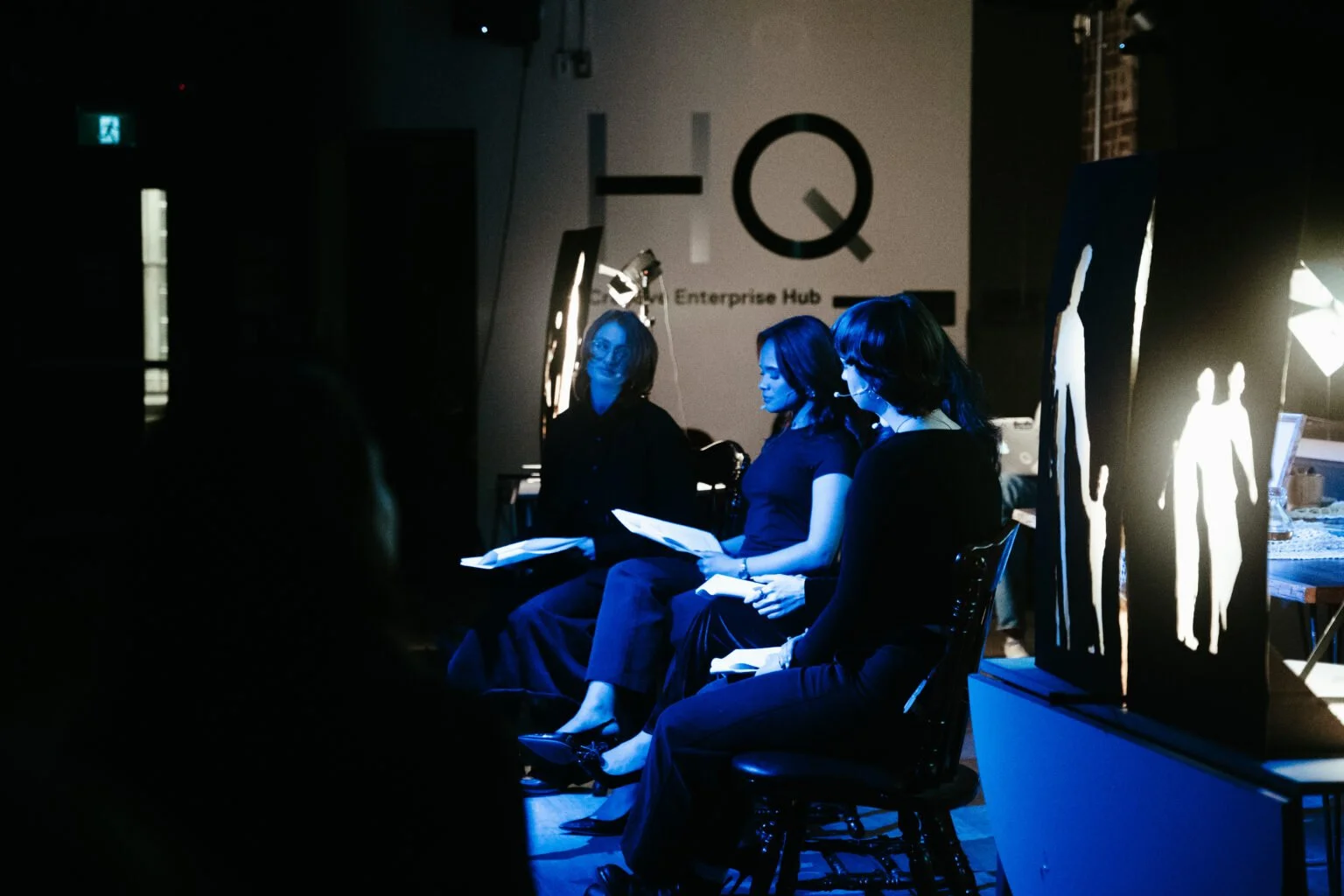
stitched! is a live journalism research and creative studio at the Creative School at Toronto Metropolitan University. The studio creates works of journalism for live audiences. stitched! also explores interdisciplinary relationships such as artistic collaborations in storytelling and building partnerships with community organizations.
Our work is grounded in an understanding of epistemic violence and injustice. We respond to this by centring voices and stories that provide audiences with critical insights into current and long-standing impacts of colonialism and global (and local) power. stitched! work asks audiences about their role in a democracy and encourages them, as story listeners, to engage through our suggested calls to action.
Since 2019 it has also produced student-led works through collaborations with The Creative School and the live journalism course at the School of Journalism. In September 2023, the studio produced the second International Live Journalism Festival at Toronto Metropolitan University.
stitched! adopts a decolonized framework and is guided by principles of oral storytelling, indigenous to multiple global communities. We acknowledge the directional contributions to our process from oral storytellers like Rosemary Georgeson, Coastal Salish and Sahtu Dene storyteller and the pedagogy of oral storywork developed by Q’um Q’um Xiiem, Dr. Jo-ann Archibald. The studio adopts trauma-informed reporting practices, as well as a solidarity journalism approach (developed by Professor Anita Varma at University of Texas at Austin), seeking to build community with audiences. This community focus informs our storytelling approach and interactive engagement.
stitched! shows end with calls to action that aim to provide audiences with purpose and agency, supporting the purpose of journalism within a democracy.
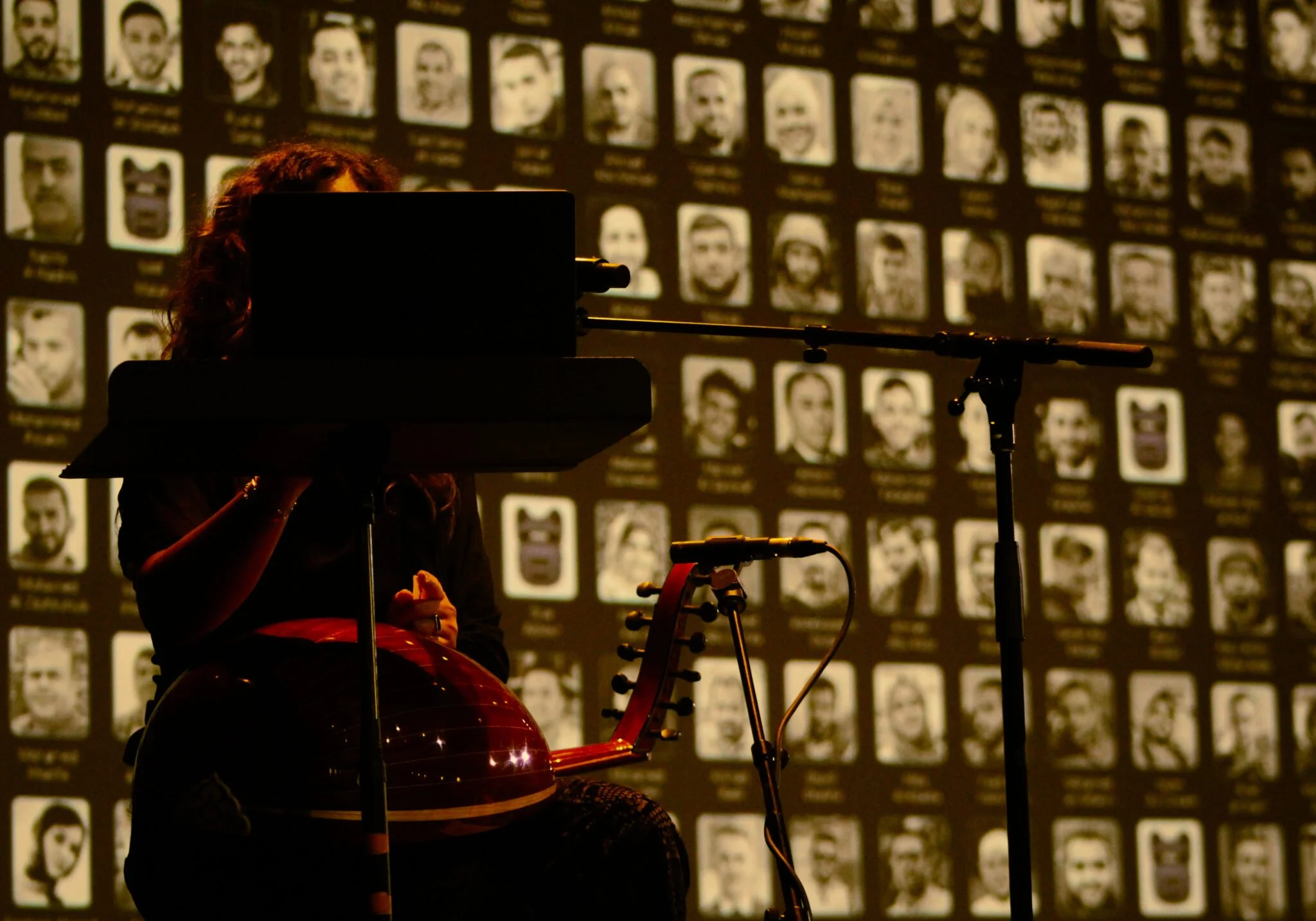
“Went to see the live journalism show Harmed in Hamilton last night… Think of it as an indepth magazine piece, performed — so you come away digesting and engaging with every word. Great stuff on an imporant topic.”
Eva Salinas - audience member
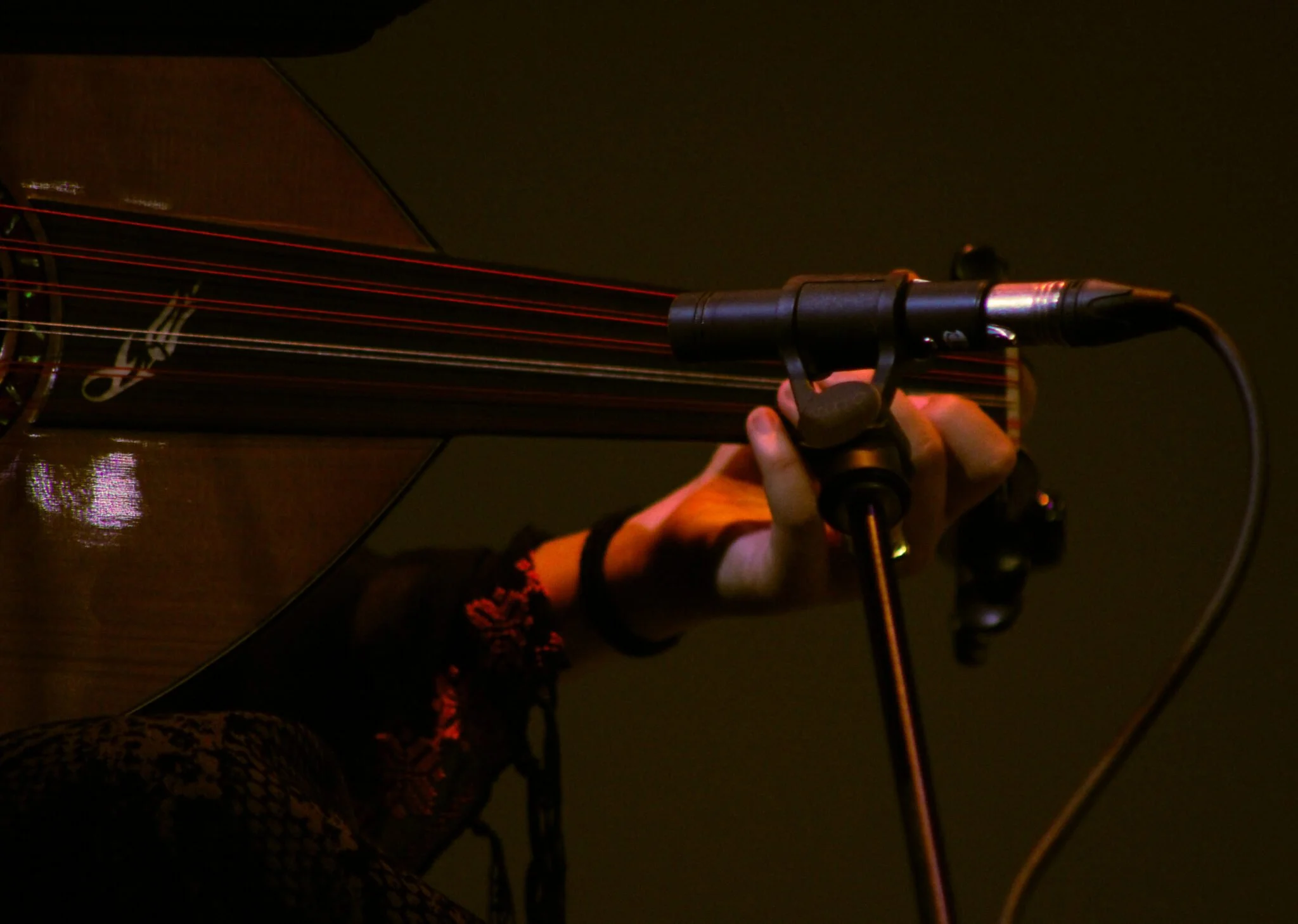
“Living with Drones is a brave exploration of an under-discussed subject: the impact of Israel’s use of drones as a military tool on Palestinians in Gaza through testimonials, TikTok clips, and video footage, the live journalism experience helped me understand the profound impact of the drone’s constant mechanical hum. I’d highly recommend it – especially to anyone trying to gain a stronger grasp on life in Gaza over the past year.”
Gabe Oatley, journalist
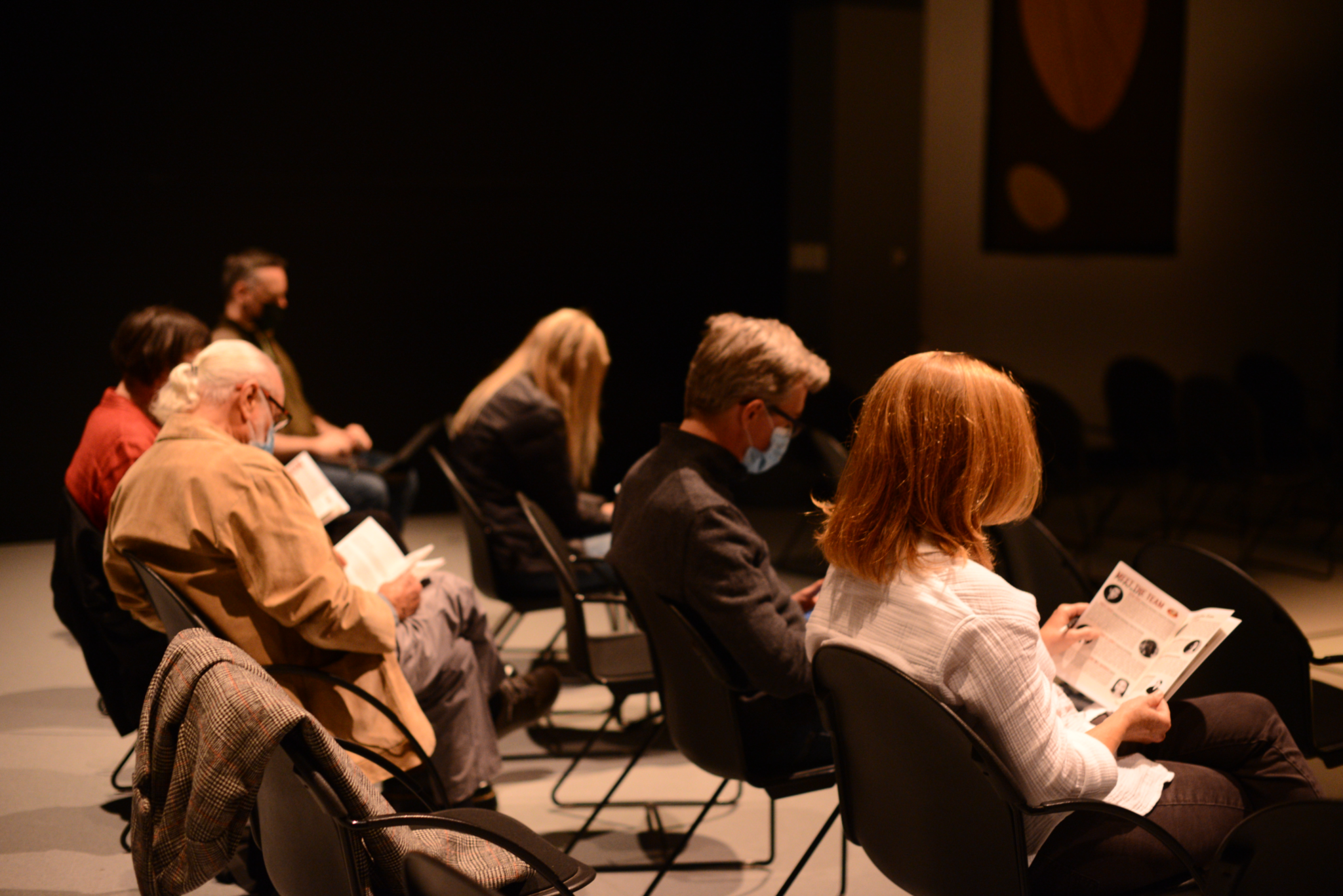
“A performance journalism show like nothing I have ever experienced before. So touching and transformative.”
Dr Layal Shuman, professor of design studies,
Toronto Metropolitan University
stitched! prioritizes
Responsibility to storysharers
Respect and reciprocity
Transparency and authenticity
Audience
engagement
Collective
accountability
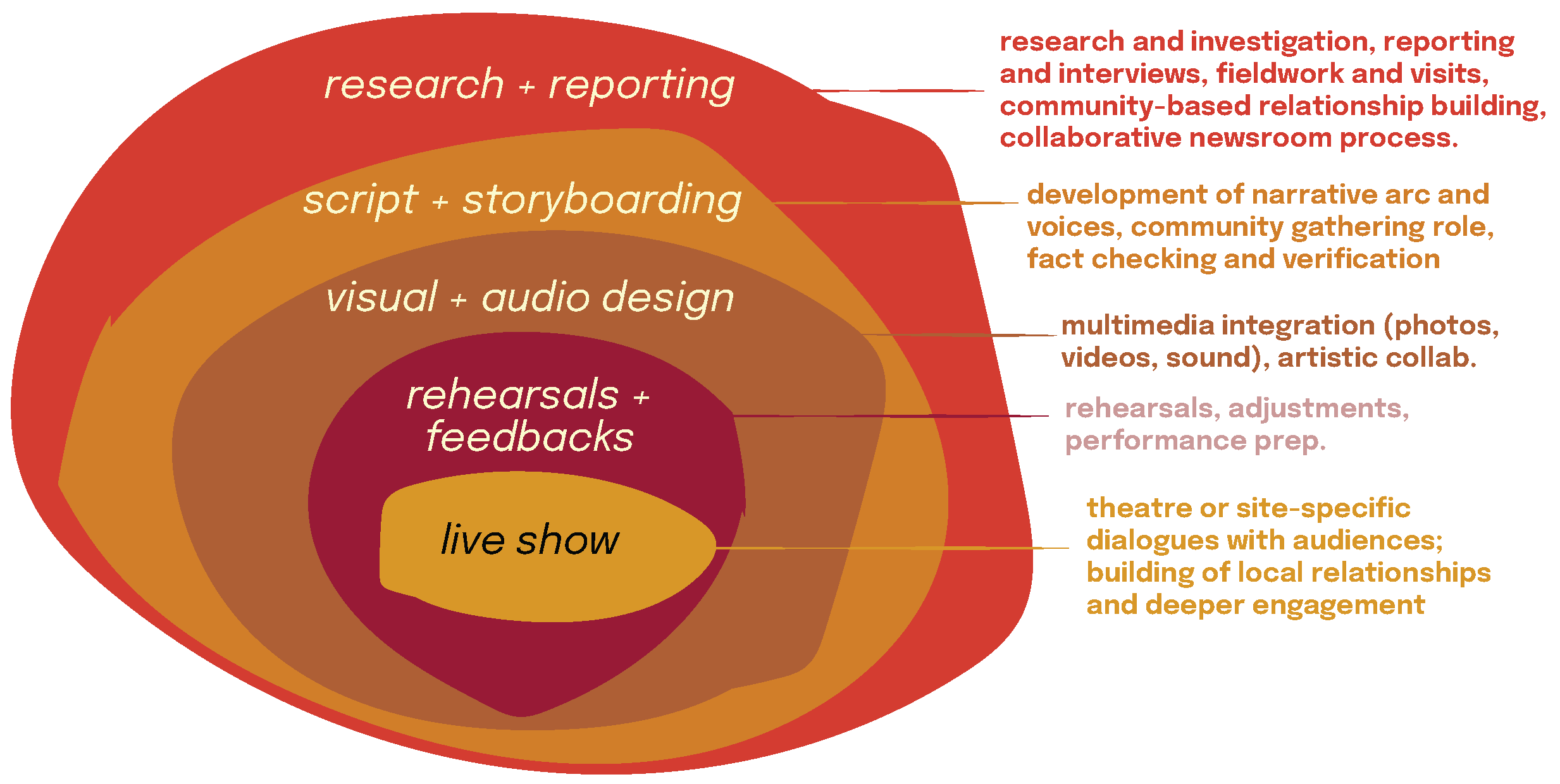
HOW WE STITCH THE STORY
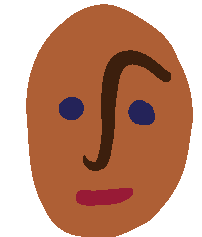




how we share the story
THE STORYSHARER
The person(s) who share(s) their story with the storytellers and trusts them to present the story with responsibility and care.
THE STORYTELLER
The journalist(s) who share(s) the story with the audience. This person is responsible for research, reporting and building relationships with storysharers and contributors to the story.
THE COMMUNITY GATHERER
The journalist who serves as the intermediary between the storylisteners (audience) and the storytellers. The community gatherer also provides context and invites audiences to co-create in the storytelling by sharing their perspectives and knowledge.
THE ARTIST
A musician, dancer, singer or any kind of artist who informs the show through their artistic interpretation of aspects of the story and carries the emotional heartbeat of the show.
THE STORYLISTENER
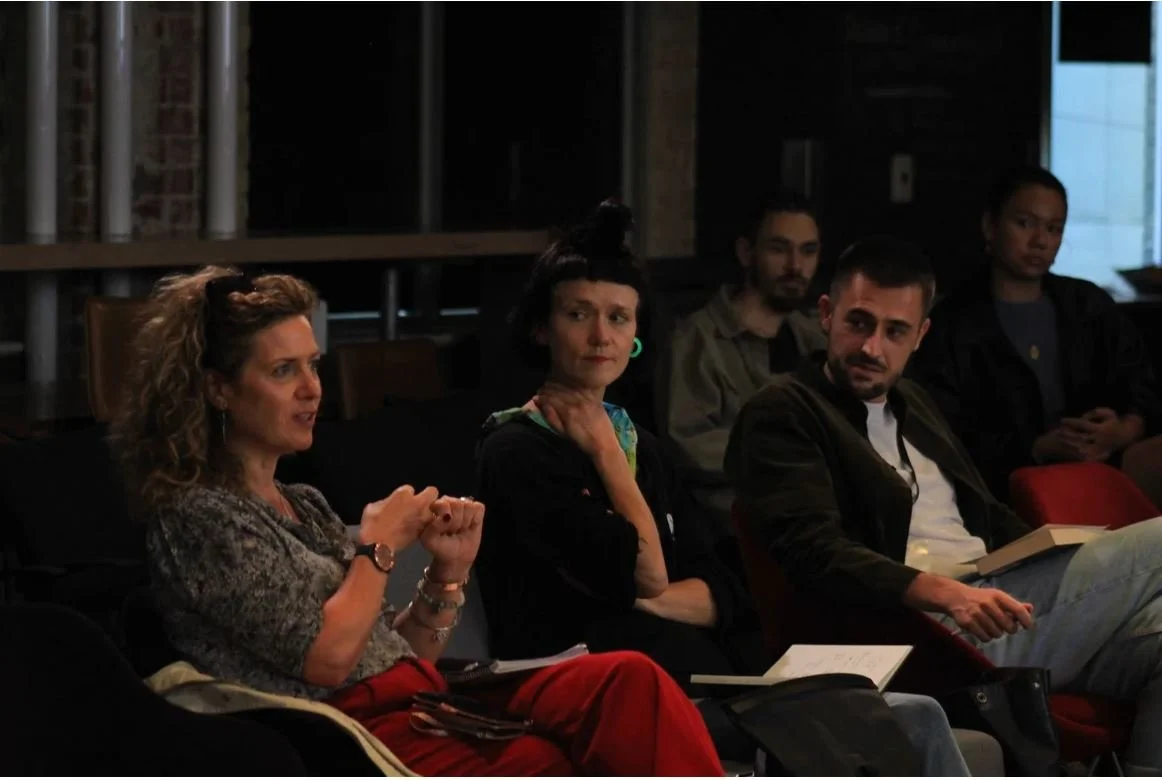
An audience member who receives and responds to the story. Storylisteners are members of the community who bring their own perspectives, experiences and knowledge to the storytelling encounter. They may hold knowledge that stitched! does not, and are invited to contribute that knowledge and help shape the conversation.
WHY WE DO WHAT WE DO?
Journalism, as a profession, is in flux. It is undermined by external existential threats (financial crisis, loss of advertising revenue, audience attention on digital platforms and social media, and now the billowing appetite of AI). There are also a series of internal crises that the profession struggles to recognize (composition of newsroom leadership, newsroom culture, framing and coverage, understanding of audiences and a rejection of changing models and approaches). The normative practice of journalism includes a cultural understanding of journalism as a vital arm of a thriving democracy and one that challenges the establishment through such ideals as speaking “truth to power”. In practice, however, these internal challenges impact how the sector responds to public news and issues that arise within urban and rural centres.
A practice entrenched in a framework of solidarity journalism (Varma), applying principles of oral storywork (Xiien, Georgeson) and engaging with audiences/the public through a theatrical (Baol) and educational (Freire, hooks) framework allows us to reconsider our approach to journalism and its potential to inform and create value for members of the public.
In an age of digitization and disengagement we focus on smaller, local audiences to rebuild trust (Raveendran, Cox) and relationships between storytellers and their audiences. Our calls to action drive audiences towards further engagement and we hope that a renewed approach to journalism fosters a healthier and more purposeful relationship between our journalists (storytellers and community gatherers) and their audiences.