
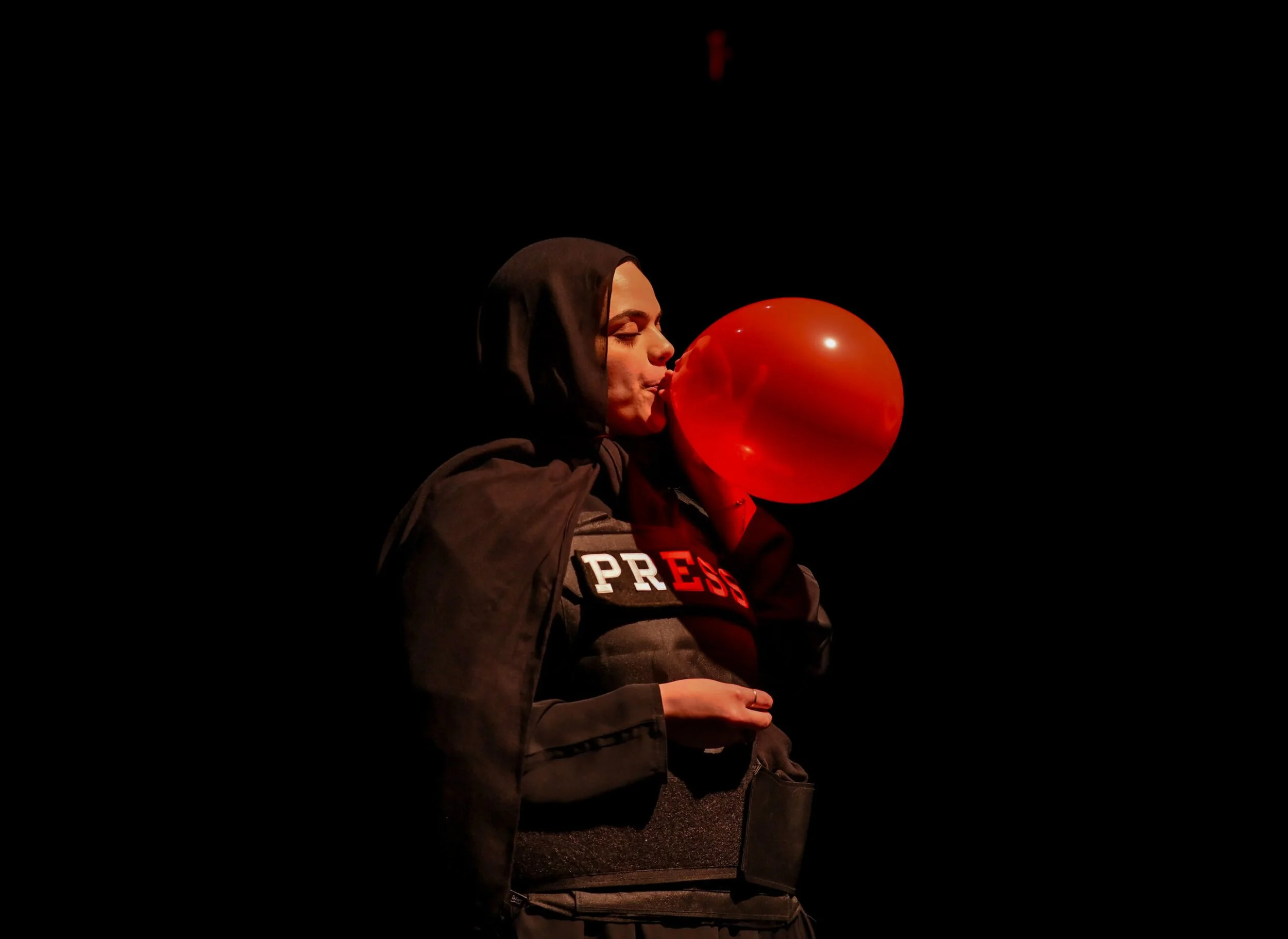
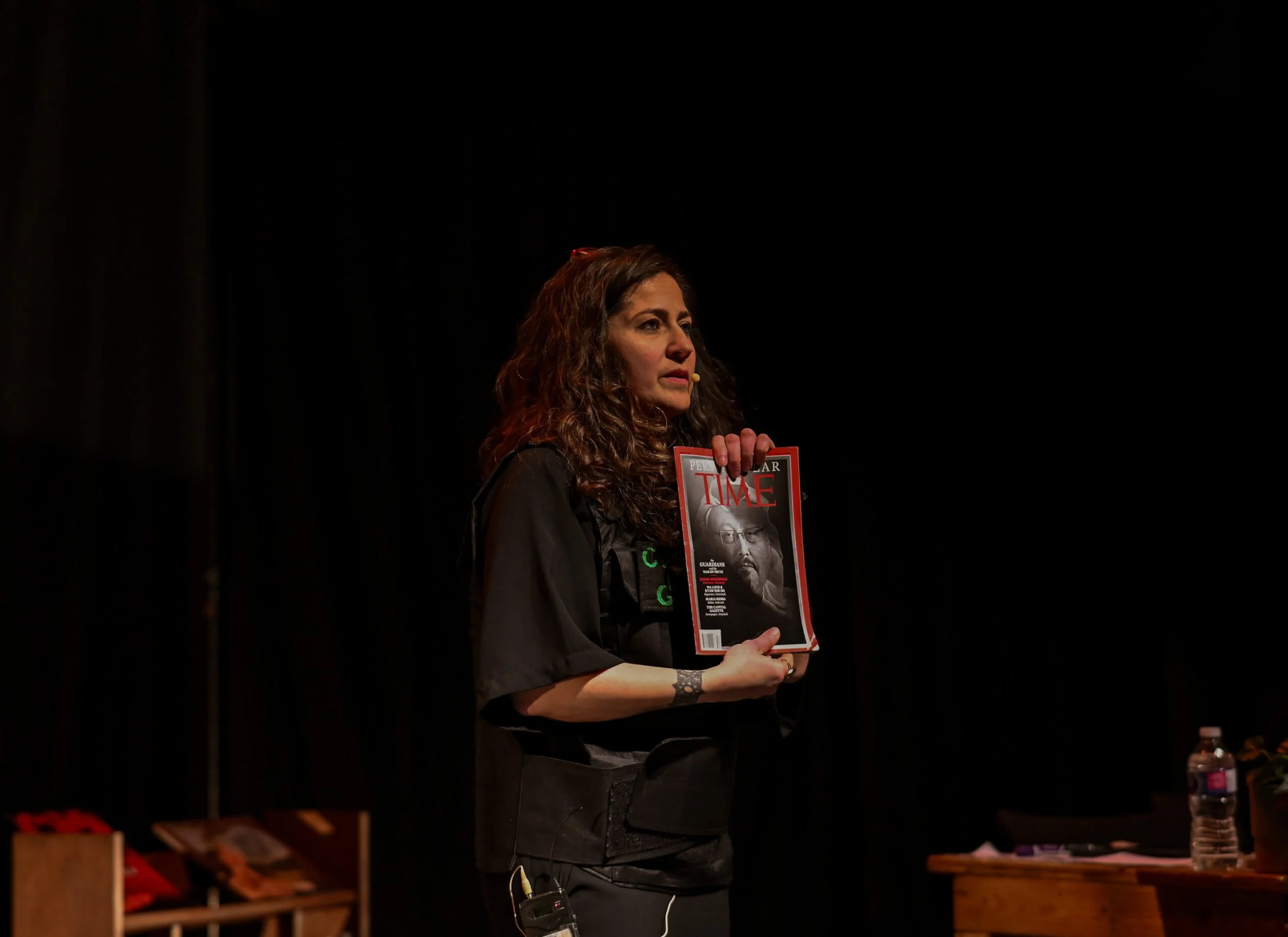
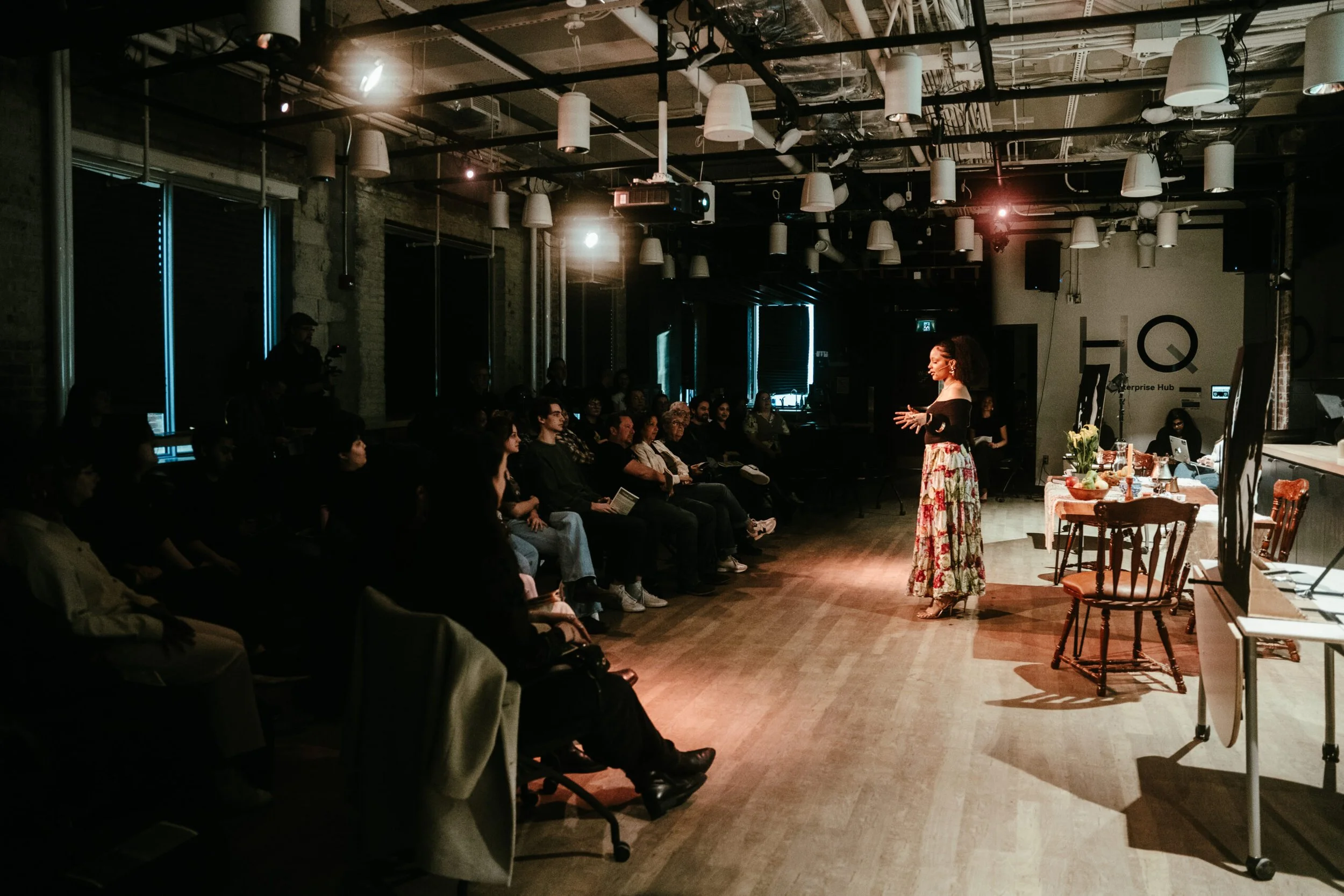
stitched! is a live journalism research and creative studio at the Creative School at Toronto Metropolitan University. The studio creates works of journalism for live audiences. stitched! also explores interdisciplinary relationships such as artistic collaborations in storytelling and building partnerships with community organizations.
Our work is grounded in an understanding of epistemic violence and injustice. We respond to this by centring voices and stories that provide audiences with critical insights into current and long-standing impacts of colonialism and global (and local) power. stitched! work asks audiences about their role in a democracy and encourages them, as story listeners, to engage through our suggested calls to action.



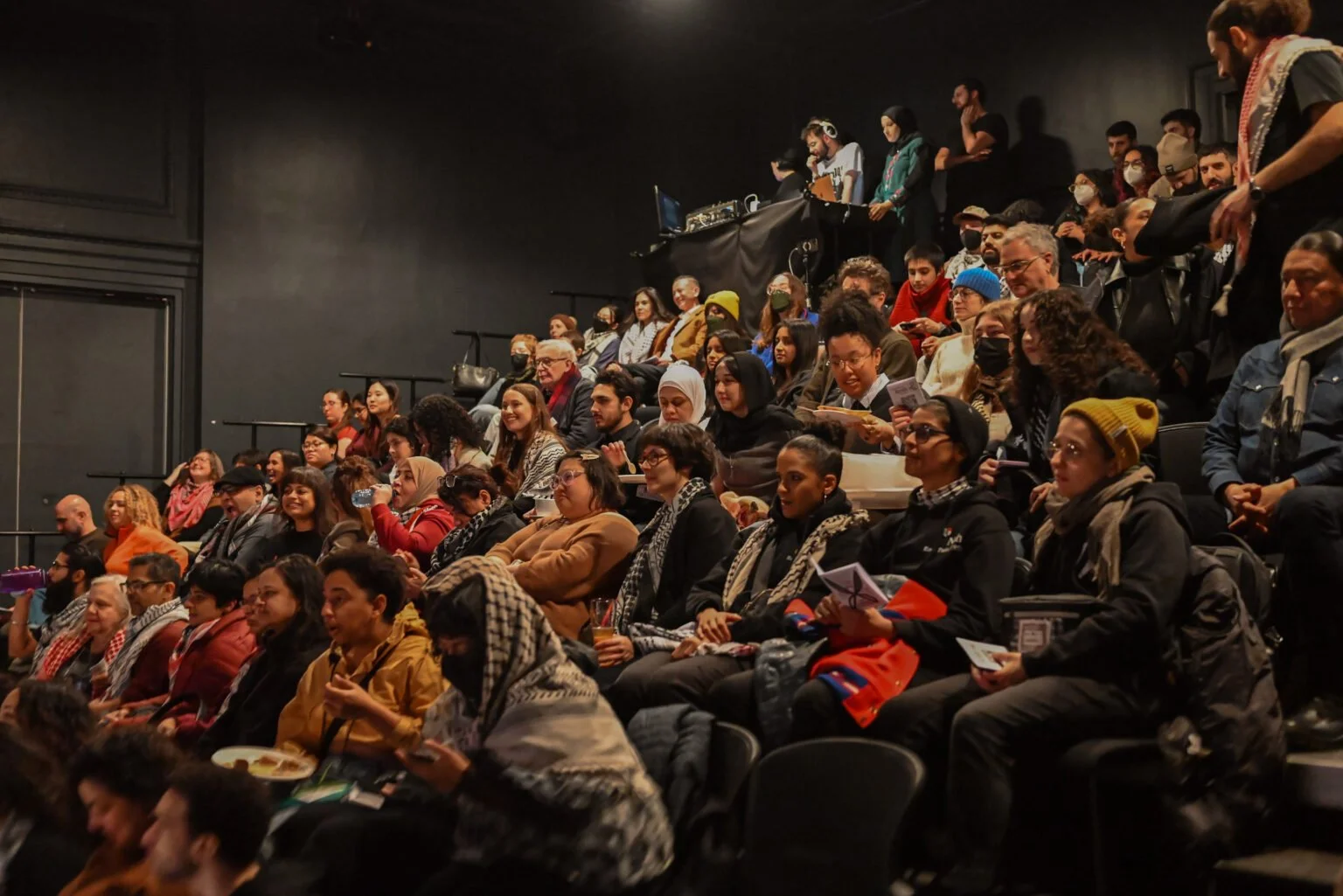
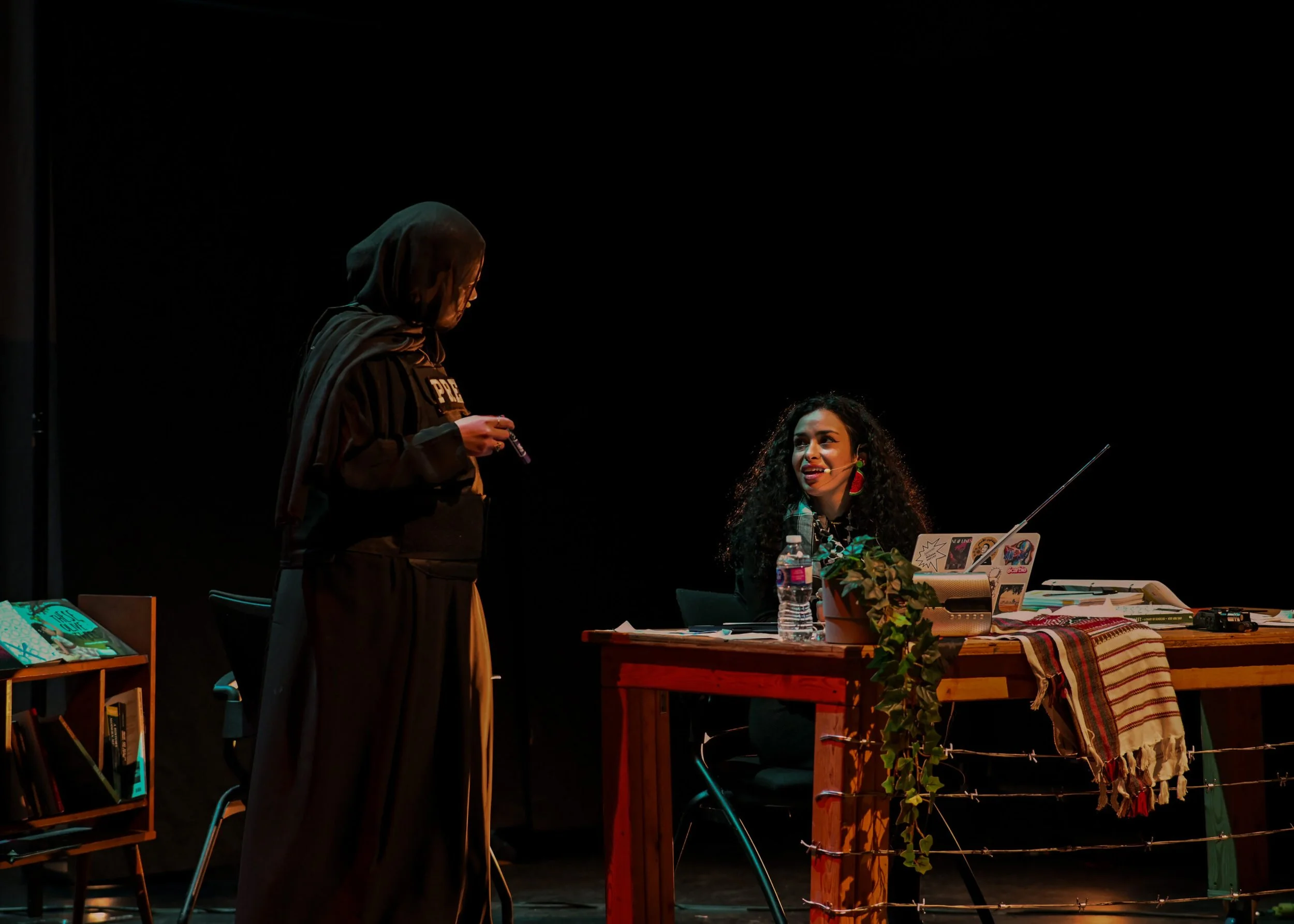

calls to action
calls to action
stitched! shows end with calls to action providing audiences with purpose and acknowledging their agency. CTAs help drive stitched!’s mission to enhance the value of journalism in a democracy.




We live on land stolen from the original inhabitants of this region. As documentors of the public record of our time, it is important to consider where we, as individuals and communities, stand in relation to that history. This relationship shifts and changes with time.
Tkaranto, or Toronto, is in the Dish with One Spoon Territory, which was a treaty signed with the Anishinaabe, the Mississaugas, and the Haudenosaunee to share space and resources equitably and carefully. While the original treaty was between the Anishinaabe and the Haudenosaunee following the French and Indian War, it was extended in later years to include newcomers (then Europeans), specifically in 1764 with the Royal Proclamation/The Treaty of Niagara.
The question of how settlers — past, current and future — respect or disrespect the tenets of that treaty is the subject of regular discussion across the land we call Canada today. This knowledge has implications on how we develop stories about the land and its people in all aspects of current coverage. Our work aims to share stories as responsibly as possible given the intergenerational harms of the settler-colonial construct in which we exist.